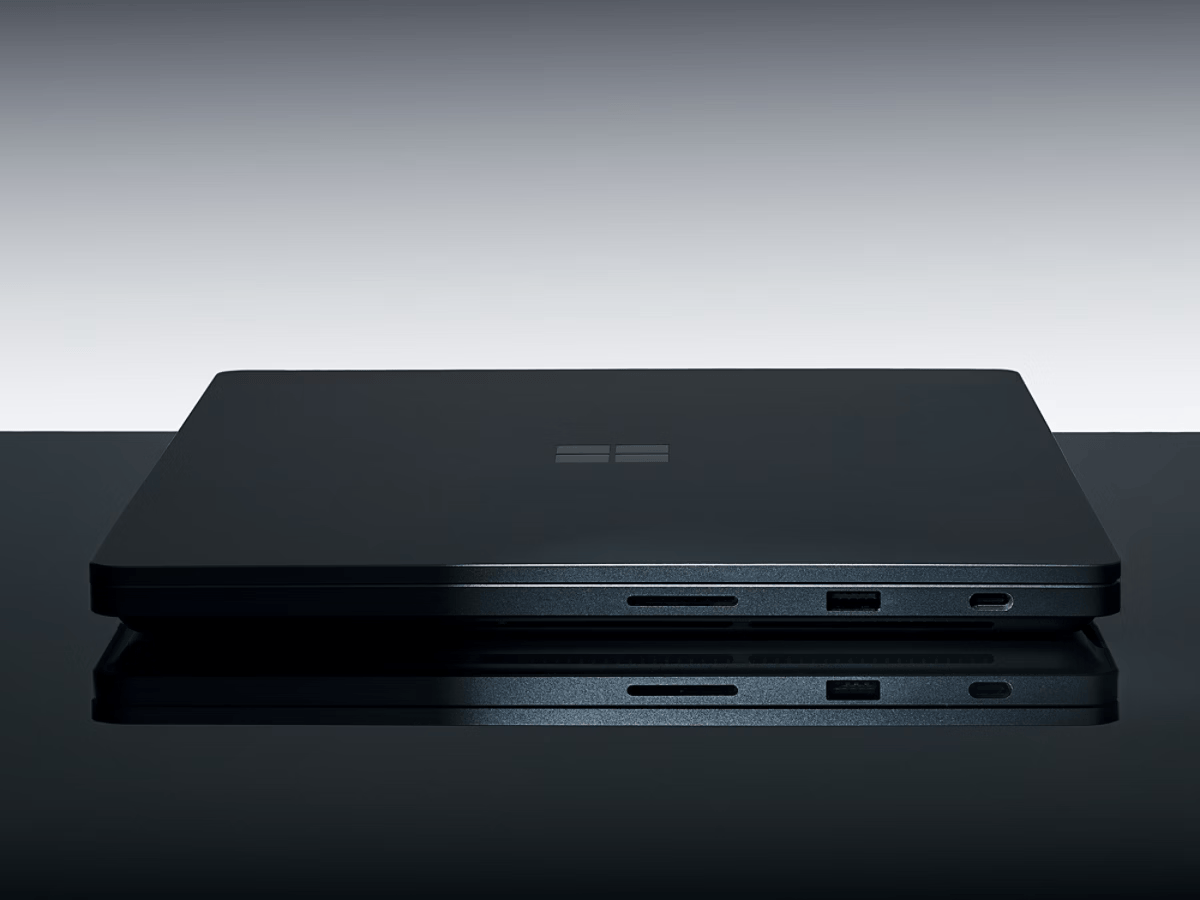
Microsoft and NVIDIA pushed local AI hard at their October 7 event, and the headline product was the Surface Laptop Ultra. It uses NVIDIA’s RTX Spark design (Blackwell RTX GPU + Grace CPU with shared memory). Microsoft claims it can run models with over 120 billion parameters locally and deliver up to 1 petaflop of AI performance.
Preorders opened the same day. Systems are coming from Acer, ASUS, Dell, HP, Lenovo, MSI, Gigabyte, and Microsoft itself. Laptop shipments start October 16; compact desktops follow in November.
What the hardware actually is
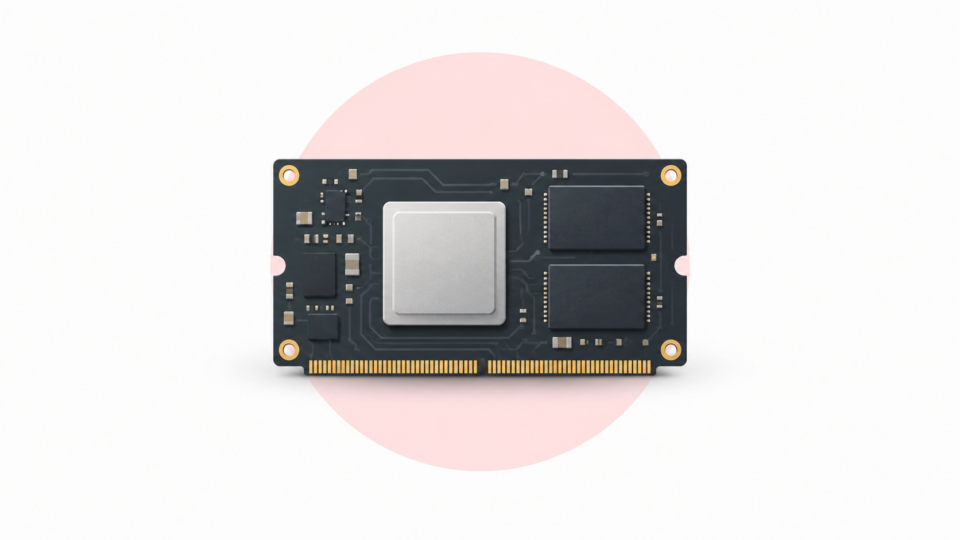
RTX Spark is an Arm-based SoC that pairs a Blackwell RTX GPU (up to 6,144 CUDA cores) with a Grace CPU (up to 20 cores, co-designed with MediaTek). The two halves talk over a 600 GB/s NVLink-C2C link and share a single pool of up to 128 GB LPDDR5X unified memory. NVIDIA rates it at up to 1 petaflop of FP4 AI performance. There are two main laptop variants: an 18-core CPU + 5,120-core GPU configuration and the full 20-core + 6,144-core version.
Microsoft’s Surface Laptop Ultra is a 15-inch machine built around this platform. Entry configuration is $2,599 (18-core/5,120-core, 24 GB unified memory, 512 GB storage). The top config hits $5,899 (20-core/6,144-core, 128 GB, 1 TB). There is also a Surface RTX Spark Dev Box mini-desktop at $5,999 with 128 GB and 2 TB storage that ships in November.
What a 120B model actually requires
A 120B-parameter model needs serious memory before it generates anything. At 8-bit, the weights alone are roughly 120 GB. At 4-bit they drop to about 60 GB. That is only the start. The KV cache and runtime overhead grow with context length, so long contexts eat more memory.
Huge models need a big memory pool the GPU can actually use. Shared memory is the key difference here. Instead of the GPU being stuck with a fixed, limited VRAM allocation, CPU and GPU pull from the same pool. The model does not have to squeeze into a traditional discrete GPU’s VRAM ceiling.
Microsoft’s claims stay fuzzy on a few important points. It is not clear whether the 120B figure refers to a dense model or a mixture-of-experts model, or what quantization level they assume. That distinction matters a lot. An MoE model only activates a fraction of its total parameters per token, so it is far easier to run than a dense model of the same total size. NVIDIA specifically called out Qwen 3.8 Flash Next (a 125B MoE with a large n-gram table) as something that fits and runs on the platform. Community measurements on the related DGX Spark (same silicon family) show these sparse models can deliver usable token rates in the tens of tokens per second when fully resident.
The catches
First, these are Microsoft’s and NVIDIA’s own numbers. Nothing has been independently tested on the actual laptops yet. A petaflop figure (especially FP4 with sparsity) says little about real tokens per second or how the system behaves under mixed workloads with creative apps open at the same time. Memory bandwidth on this class of chip is roughly 270–300 GB/s; that is the practical limit for large dense models more than raw compute is. Early DGX Spark results already show dense 70B-class models crawling while sparse 120B-class models stay more usable.
Second, cost. The base Surface Laptop Ultra is already $2,599. The configurations that can actually hold a 120B-class model land in the $4,000–$5,900 range, and partner machines with 128 GB can climb higher. One analyst told Reuters the software is finally ready for serious local AI, but the hardware needed to run it is still too expensive for most people. If that holds, running truly large models locally stays limited to people and teams with large budgets.
Conclusion
RTX Spark is a real step toward running very large models on a single machine, mainly because of the unified memory design. It removes the hard VRAM wall that has blocked big local models on ordinary Windows laptops. Whether it is a good deal depends on the price of the configs that actually matter (64 GB and especially 128 GB) and on measured speed once independent reviews arrive. We do not have solid laptop benchmarks yet. When those land, the useful comparison will be tokens per second and multi-task behavior against what an 8–24 GB discrete card (or a high-memory Apple Silicon machine) can already do today.